Sistemas Operativos: Linux
Introducción
An operating system (OS) is system software that manages computer hardware and software resources, and provides common services for computer programs.
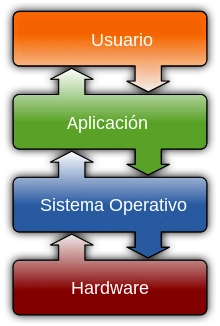
According to web server statistics (that is, based on the numbers recorded from visits to websites by client devices), in October 2024, the estimated market share of Linux on desktop computers was around 4.3%. In comparison, Microsoft Windows had a market share of around 73.4%, while macOS covered around 15.5%.


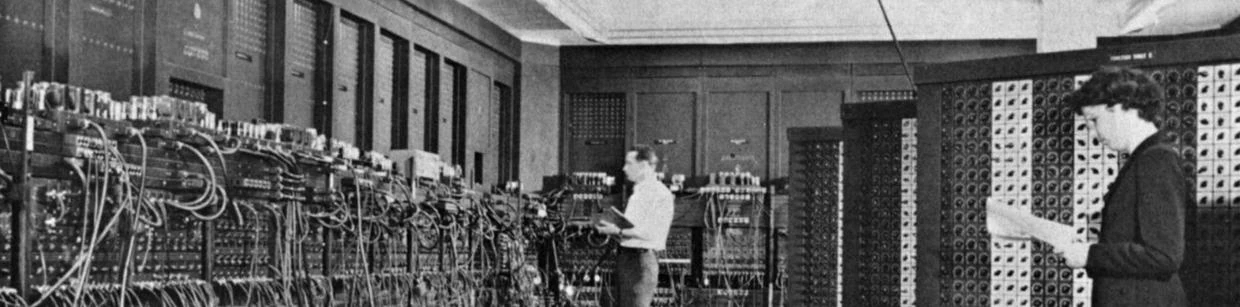
Linux distributions are dominant in the server and supercomputing sectors. Other specialized classes of operating systems (special-purpose operating systems), such as embedded and real-time systems, exist for many applications. Security-focused operating systems also exist. Some operating systems have low system requirements (e.g. light-weight Linux distribution). Others may have higher system requirements.
W3Cook publishes stats that use the top 1,000,000 Alexa domains, which as of May 2015 estimate that 96.55% of web servers run Linux, 1.73% run Windows, and 1.72% run FreeBSD Algunos hechos relativos a Linux:
- Linux runs on all of the top 500 supercomputers in the world.
- Linux runs 97% of the 1,000,000 top webservers.
- 88% of mobile phones runs android wich is (kindof) based on linux.
- Linux runs in many routers, cars, tv's, alexas, washing machines, etc of the world.
- GNU/Linux is free software as in Freedom of speech, not as in free beer:
- 0 The freedom to run the program as you wish, for any purpose.
- 1 The freedom to study how the program works, and change it so it does your computing as you wish. Access to the source code is a precondition for this.
- 2 The freedom to redistribute copies so you can help your neighbor.
- 3 The freedom to distribute copies of your modified versions to others. By doing this you can give the whole community a chance to benefit from your changes. Access to the source code is a precondition for this.
- Linux is as diverse as the community that builds it.
Historia de GNU/Linux
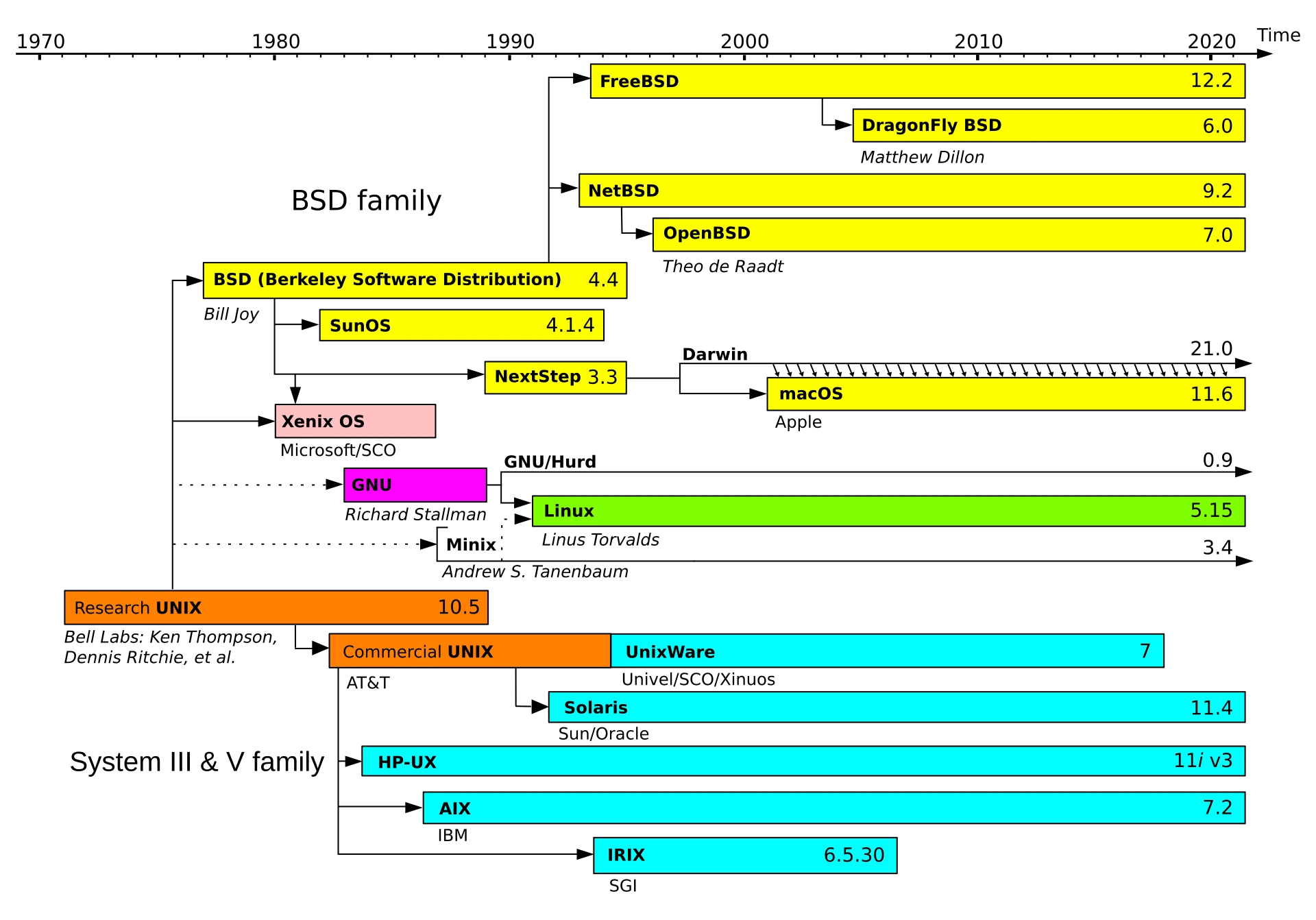
- The Unix operating system was conceived and implemented in 1969, at AT&T's Bell Labs
- In 1977, the Berkeley Software Distribution (BSD) was developed by the Computer Systems Research Group (CSRG) from UC Berkeley,
- In 1983, Richard Stallman started the GNU project with the goal of creating a free UNIX-like operating system.
- In 1987, MINIX, a Unix-like system intended for academic use, was released by Andrew S. Tanenbaum
- In 1991, while studying computer science at University of Helsinki, Linus Torvalds began a project that later became the Linux kernel
Linux began in 1991 as a personal project by Finnish student Linus Torvalds to create a new free operating system kernel. The resulting Linux kernel has been marked by constant growth throughout its history. Since the initial release of its source code in 1991, it has grown from a small number of C files under a license prohibiting commercial distribution to the 4.15 version in 2018 with more than 23.3 million lines of source code, not counting comments, under the GNU General Public License
gnu.org
Free Software Foundation
kernel.org
The Hacker Crackdown on mit.edu
Distribuciones
Para tener un sistema completo y funcional hacen falta muchas partes diferentes. En el caso de Linux, normalmente existen varias opciones en cada uno de estos rubros, y la selección de éstas depende del usuario. Por esta razón existe un concepto llamado distribución donde un colectivo de personas hace una selección de componentes según sus propios criterios, verifica que todo funcione correctamente y lo distribuye como un conjunto. Además se encargan de actualizar las versiones y resolver los problemas de compatibilidad que vayan surgiendo.
A Linux distribution (often abbreviated as distro) is an operating system made from a software collection that includes the Linux kernel and often a package management system. Linux users usually obtain their operating system by downloading one of the Linux distributions, which are available for a wide variety of systems ranging from embedded devices (for example, OpenWrt) and personal computers (for example, Linux Mint) to powerful supercomputers (for example, Rocks Cluster Distribution).
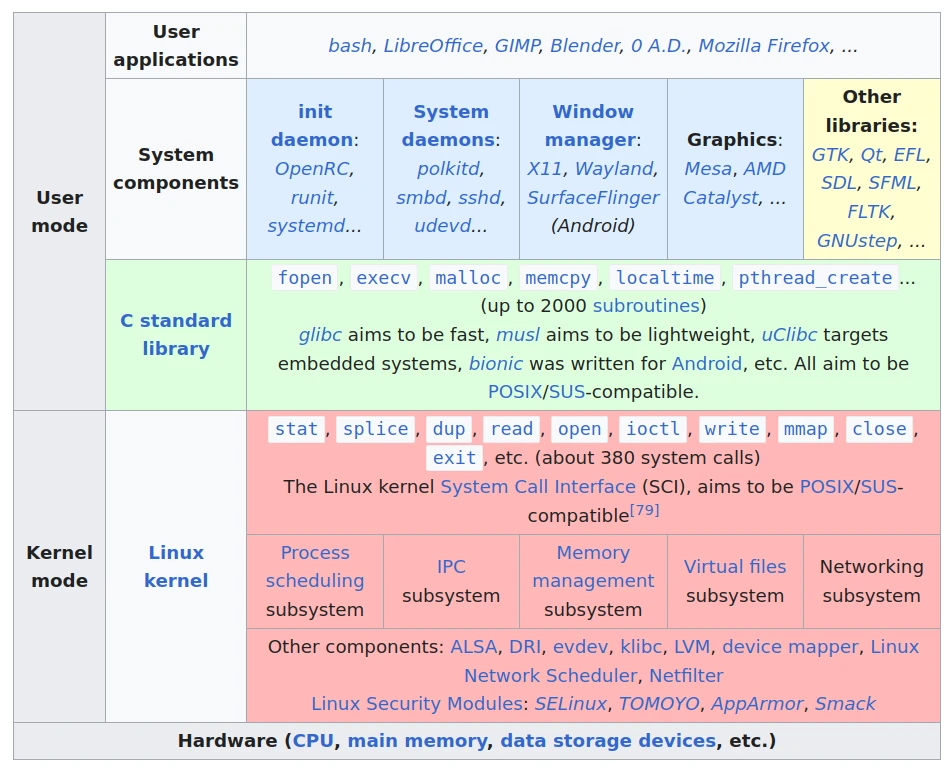
A typical Linux distribution comprises a Linux kernel, an init system (such as systemd, OpenRC, or runit), GNU tools and libraries, documentation, and many other types of software (such as IP network configuration utilities and the getty TTY setup program, among others). Optionally, to provide a desktop experience (most commonly the Mesa userspace graphics drivers) a display server (the most common being the X.org Server, or, more recently, a Wayland compositor such as Sway, KDE's KWin, or GNOME's Mutter), a desktop environment, a sound server (usually either PulseAudio or more recently PipeWire), and other related programs may be included with the distribution or are installable by the user.
La compleja historia de las distribuciones se puede ver gráficamente un este mapa
Partes que normalmente forman una distribución:
- El núcleo o kernel de Linux
- Un sistema de inicio y manejo de demonios, servicios. El más usado actualmente es systemd
- Las herramientas y librerías GNU
- Documentación
- Herramientas de configuración
- Servidor gráfico como xorg o wayland
- Un ambiente de escritorio como gnome, kde o xfce
Hay muchos tipos de distribuciones, la elección de una depende de muchos factores y sobre todo de la experiencia de ir probando cual se ajusta a nuestras necesidades y gustos particulares. La wikipedia tiene una tabla con una comparación de las principales características de muchas de las distribuciones existentes. Además hay muchas páginas como distroWatch que tienen rankings de todo tipo sobre las diferentes distribuciones.